



Essential Poker Tool Kits Every Serious Grinder Needs

Poker Is Quiet
Grinders build their basic toolkits from scratch and it begins with the “silent” activity of tracking and statistics. The quietness of the game comes from the “crackling” atmosphere of a dozen live poker tables being updated simultaneously with the hum of computers behind each table, fingers hovering over hot keys and the soft background music of a Spotify playlist quietly whispering low-fi tunes into the back of your mind. This is where the game begins – not in the cards, nor in the actual gameplay, but in the stats and the bidding of the cold, hard ritual before the first hand is dealt.
Therefore, grinders depend on toolkits for success, and not just instinct or sleep.
Poker is a quiet activity. Today’s environment – flooded with poker AI software, infested with poker bots, swarming with poker cheat software – demands a comprehensive suit of armor.
Not some loose collection of bells and whistles, but an integrated, well-calibrated arsenal of systems.
Where the data lives
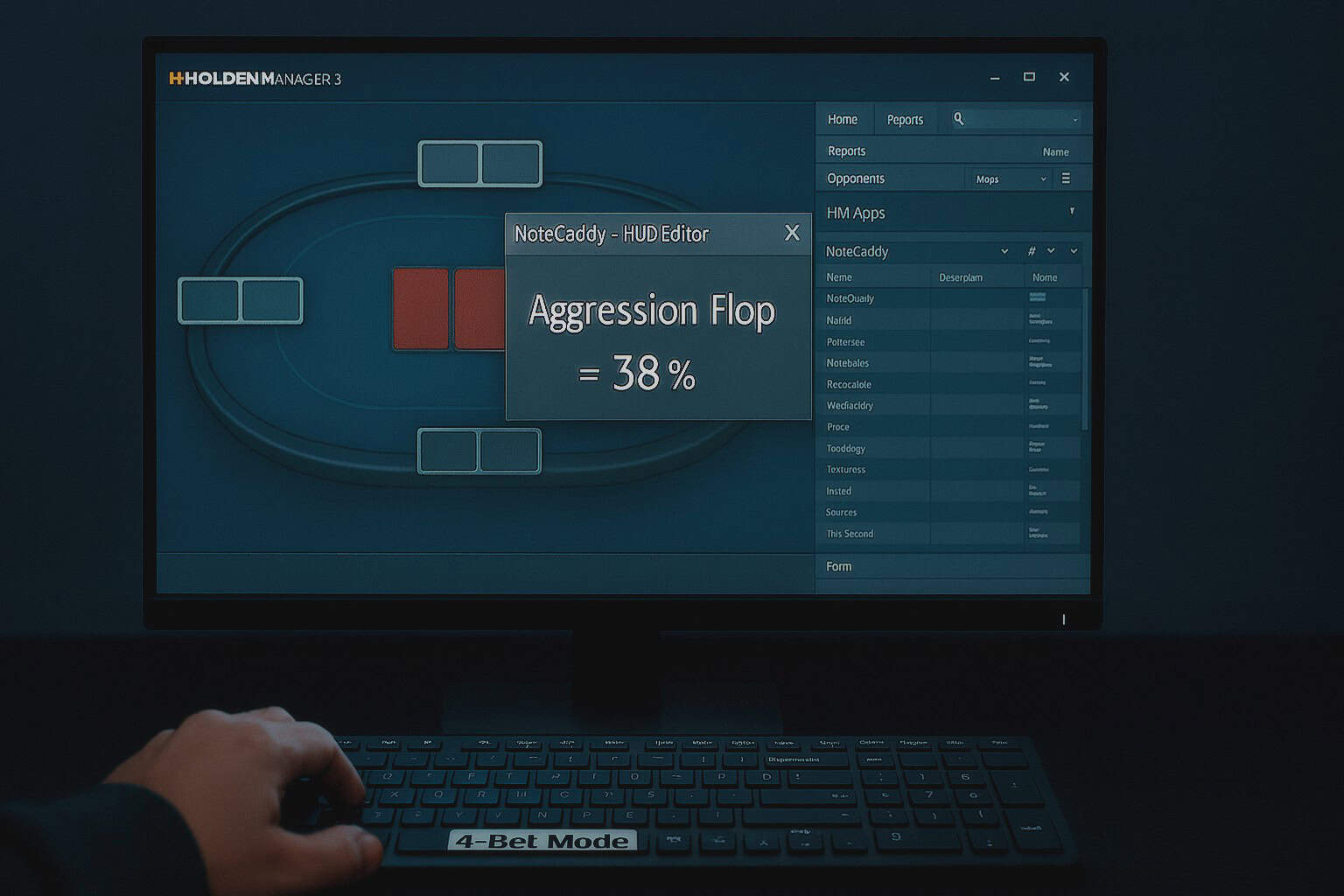
Tracking software is usually where many grinders begin. Poker Tracker 4 (PT4), Hold’em Manager 3 (HM3) and Hand2Note (H2N) – no, it’s not just databases. They’re obsessions. PT4’s multi-street stat filters, HM3’s NoteCaddy, H2N’s HUDs – they are a microscope on your weakness. It’s not just your opponent’s VPIP, PFR, or Fold to 3-Bet that you’re learning. You’re mapping your own emotional ticks, your patterns of leaks, your compulsions to bet small while tilted.
Add in DriveHUD for visual flair and GGPoker’s proprietary anti-HUDs for resistance. Each new arms race in software stimulates a new arms race in response. The bots evolve, the platforms respond. You upgrade. Or you disappear.
Essential poker toolkits for solvers and GTO study
Poker has its scripture; poker has its solvers. PioSOLVER is still the Holy Grail: precise, merciless, expensive. GTO+ is the populist prophet: cheaper, friendlier, slightly less mystical in scope; TikTok priest: quick, easy, pre-solved but less than fully doctrinal; not just about equilibrium or removing exploitable edges. GTO is about identity. Do you nod along, c-betting 30% against monotonous board textures based on what the simulator told you? Or do you lock down your nodes, read, and guess – because some part of you remembers that your opponents used to be people?
Equity is not a feeling
Poker hacks are not sustainable. Understanding equity between your hand and the 12% 3-bet range of K Q 2 on the flop, however, is a different story. Flopzilla, PokerStove, and Equilab – they are not sexy, but they are clinical. They teach you to see hands as numbers, not as stories.
Yes, AI poker bots understand this better than you do. Poker cheat sheets created by machines won’t fold. You will. But Flopzilla Pro, for example, is an important cornerstone of an essential poker toolkit. You stop making guesses and you start to know.
Live, learn, simulate, repeat
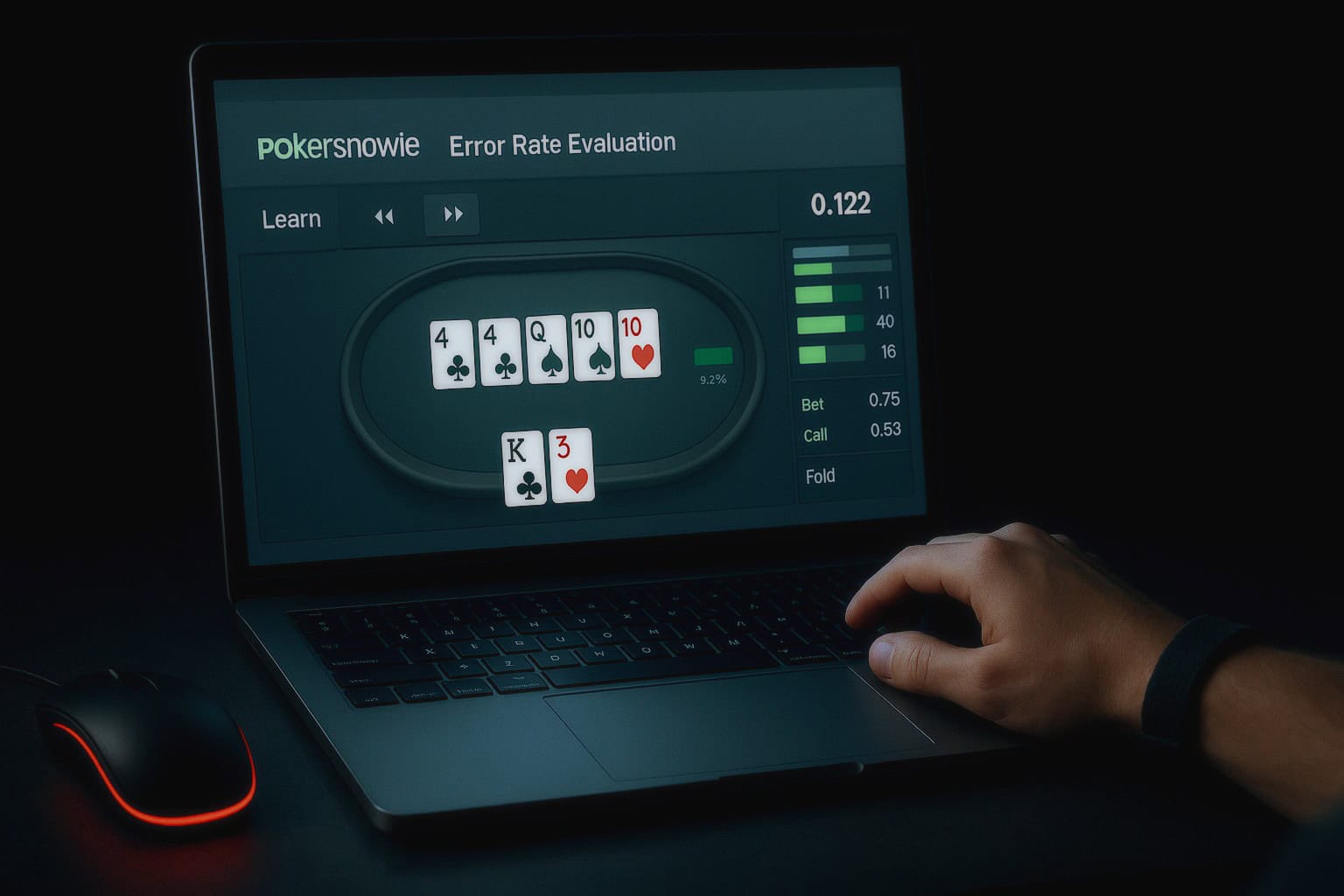
Simulation is everything. PokerSnowie, Advanced Poker Training, and ICMIZER will not only drill you, they’ll break you. They’ll show you the ideal way to play and then show you how far off you are from it.
Practice does not make perfect. Feedback loops created through simulation do. Development of AI poker is thriving in the areas of rapid iteration, statistical drubbings, and pre-packaged strategy reflecting the known weaknesses of humans in the area of AI. Don’t forget, the best poker bot doesn’t play like a god. He plays like a guy who has made 400,000 micro-adjustments without having to verbalize any of those adjustments.
Multi-tabling: dance or drown
No one talks about the twitch in your thumb after four hours of 12-tabling. Here is where TableNinja II, Jurojin Poker, and HotkeyBet come in. These aren’t luxury items. They’re crutches you will hate but will never discard.
One click bet sizing. Automation of time banks. Stack-and-tiling schemes. If you are three-tabling without these tools, you are not grinding, you are simply surviving. Survival is not scalable.
Tilt is real and it is boring
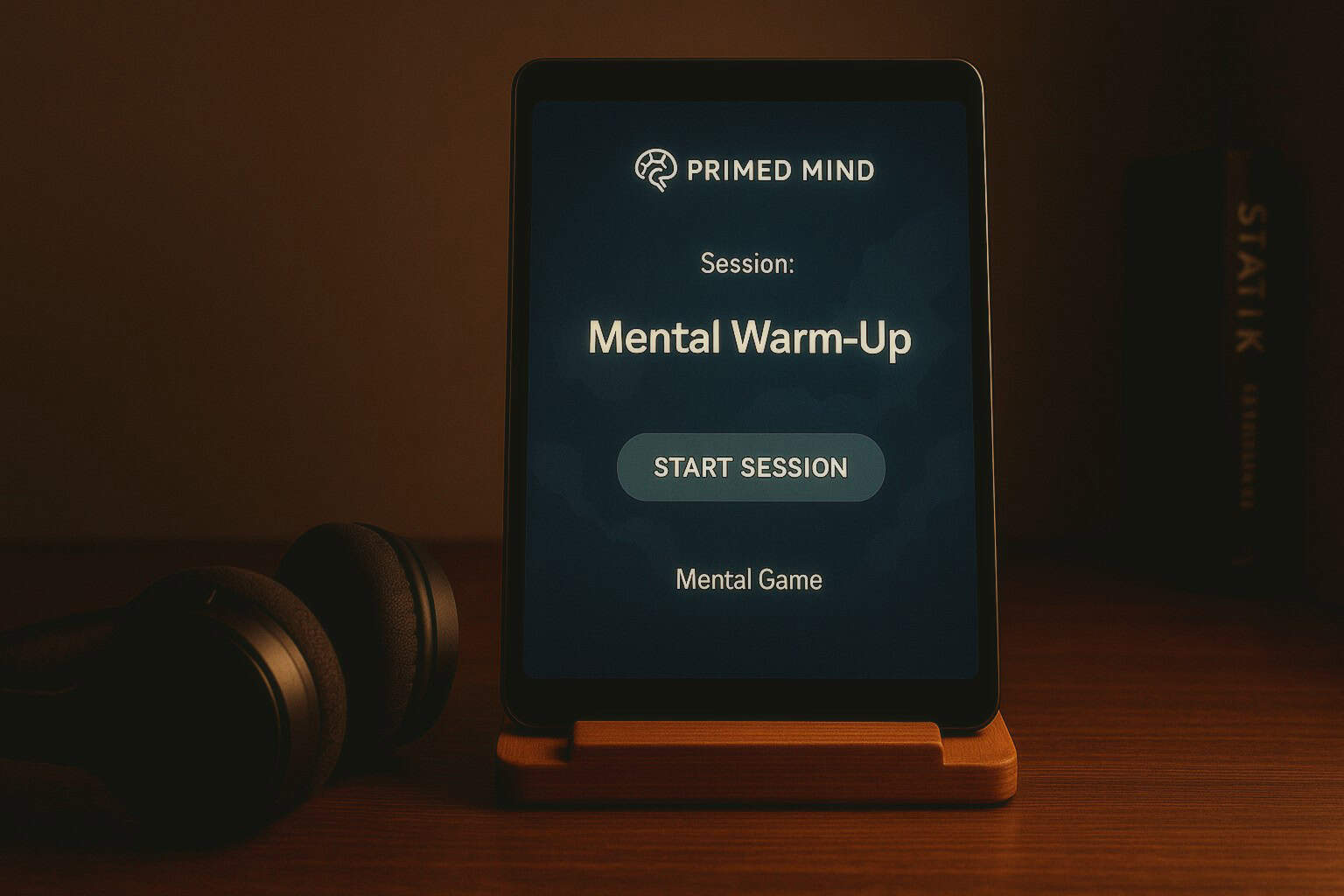
Let’s talk about the soft stuff – PrimedMind, Tricia Cardner’s journals, mindfulness apps. This isn’t fluff. This is artillery for the battles you fight after the bad beat but before you grab the mouse to select “sit out next hand.”
Because tilt isn’t rage. It’s fatigue of repetition, entropy of variance, and the silent dread of knowing that tomorrow you will play the same hand. Tilt management may not be exciting. However, it is what allows you to last.
Why essential poker toolkits define identity
We all know it by now: Your poker toolbox is not just the tools you include in it. It is who you are. It is a combination of computer poker AI research, deepstack AI simulations, playing poker bots online, using some AI poker software, and sufficient human naivety to believe you can hack the system – or at least beat the other guy better.
Poker AI detection and poker vs bots continues to dominate the discussions. Platforms will continue to shift terms. But grinders will adapt. Not perfectly. Just well enough.
And somewhere in that cacophony of database whirring, the staccato clacking of a keyboard against a living room table and/or an overpriced coffee shop desk, and the silent acceptance of another solver-approved bluff becoming a brick – you remember why you started.
No tidy conclusions. Just better tools.